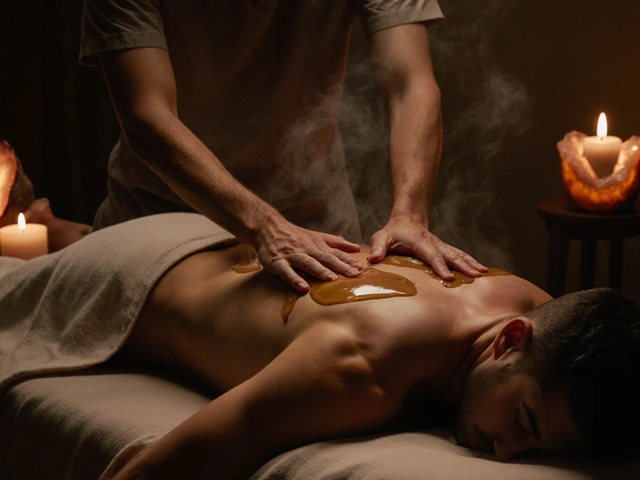

Look, let's cut through the noise. We spend our lives running. From the moment we wake up, we are standing, walking, climbing stairs, driving. Our feet take every single pounding shock. By 5 PM, you're dragging. Most guys think, "I'll buy new shoes," or "I'll stretch tomorrow." They don't. Because tomorrow never comes. And until you fix the foundation, nothing else lines up.
Foot Massage is a focused therapeutic treatment targeting the complex network of muscles, nerves, and blood vessels in your feet using manual pressure techniques. It sounds boring, right? Like a chore for grandmothers. Wrong. When done correctly, it hits something primal. It's not just relaxing; it's aggressive maintenance on your entire body's hardware.
The Science of the Soles
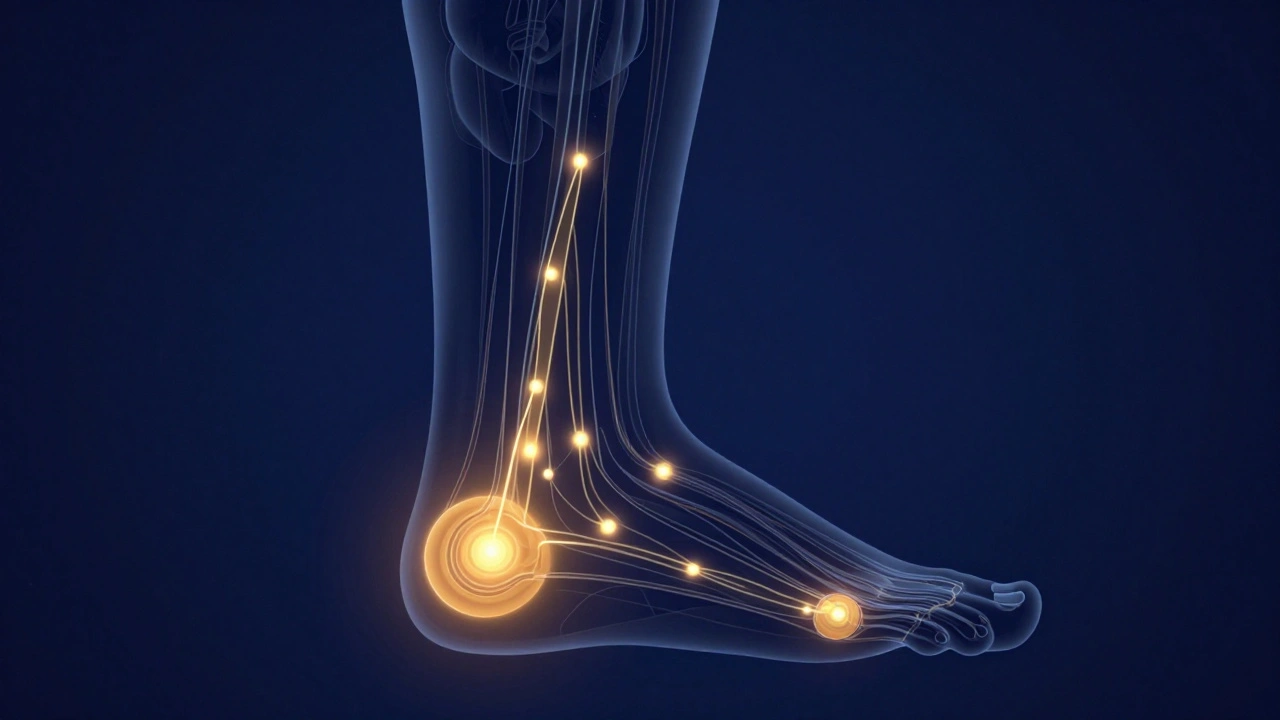
You might think feet are just dead weight at the end of your legs. But they are the command center. There is a concept called Reflexology. It states that specific pressure points on the feet connect directly to organs higher up. Your big toe maps to your head. Your arch connects to your spine and stomach. When those nodes get knotted, you get headaches or indigestion.
When a pro gets on those knots, they aren't just poking skin. They are accessing your autonomic nervous system. That switchboard controls whether you fight, flee, or relax. After a heavy day in the city, your system is stuck in "fight or flight." Your cortisol levels are spiking. You can't sleep. You can't eat. A deep tissue foot session forces the body to switch back to "rest and digest." It's the fastest way to manually override a panic attack.
The Emotional Hangover
This is the part they don't put on Instagram. You get the massage, you leave, and you feel different. But not just relaxed. Grounded. Imagine you've been holding a brick for three years. Someone takes it away. That lightness in your chest? That's the emotional hangover. For guys specifically, there's a stigma against being touched. We touch objects. We hold tools. We rarely sit still and let someone work on us.
Breaking that barrier creates a release valve. It's a vulnerable act, sure, but it builds resilience. You realize your body can be cared for. You stop viewing yourself as just a machine for work output. The sensation isn't pain. It's that "good hurt." The kind that tells you tension is leaving. You leave the room with a quieter mind. You don't bring the chaos of the office back to your bed. That's worth every penny.
The London Landscape: Where to Go
If you're in London, you have options. But you also have traps. Some places sell you five minutes of foot rubbing and call it a full session. Don't waste your cash. You need a place that understands anatomy. Areas like Shoreditch and Soho have high turnover, which means some therapists burn out quickly. Mayfair tends to hold onto senior staff longer.
| Location Tier | Duration | Price Range (£) | Technique Focus |
|---|---|---|---|
| Budget High Street | 30 Mins | £30 - £45 | Skin Exfoliation Only |
| Mid-Range Wellness | 45 Mins | £55 - £80 | Basic Reflexology |
| Premium Clinic | 60 Mins | £90 - £150 | Deep Tissue & Acupressure |
Notice the jump in price? That isn't just a tax on luxury. Cheaper sessions often rush through the "arch mapping." They skip the deep heel work. If you pay £35, expect a quick scrub. If you want the nervous system reset, you need the full hour minimum. Anything less and you haven't hit the threshold where your body lets go.
Avoiding the Sketchy Stuff
We've seen enough online reviews to know that not all ads mean what they say. Sometimes a massage parlor advertises "special attention" in ways that make you uncomfortable. A professional clinic focuses on health outcomes, not ambiguity. When you book, ask these questions:
- Do you offer pure foot treatment, or is it bundled with other services?
- Is the therapist certified in anatomical mapping?
- Are the linens changed between clients?
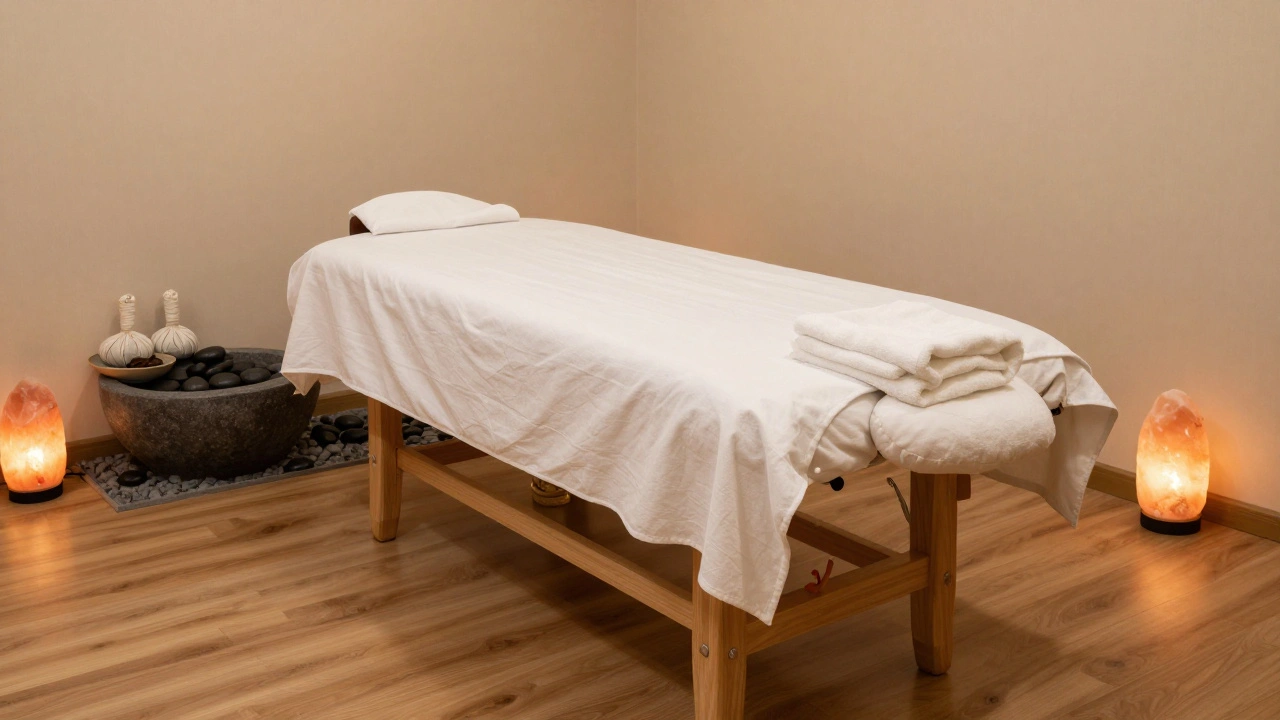
You should walk in feeling safe. If the front desk is shady or the lighting is too dim for hygiene standards, walk away. A legitimate provider cares about your health, not just your wallet. Real professionals will ask about injuries before starting. They want to know if you have gout, diabetes, or broken bones. That's care, not interrogation.
The Routine You Should Adopt
Don't wait until you're in pain. Prevention beats repair. A monthly schedule keeps the fascia healthy. Think of it like oiling an engine. Do it when the parts are still moving well. During the winter months in London, the cold weather tightens your calves. That pulls the Achilles tendon. A seasonal visit prevents shin splints and cramps later in the season.
If you drive a lot, your posture shifts. Leaning forward puts pressure on the lower lumbar, which travels down the legs. Releasing the bottom of the leg relieves the lower back. It's a domino effect. You solve the foot problem, and the hip issue clears up too. That's the magic people miss because they only look at their waist.
FAQs You Need to Hear
How long does a standard session last?
A meaningful therapeutic session runs for at least 45 minutes. Short 15-minute slots are cosmetic only and do not provide reflexology benefits.
Should I tip the therapist?
Tipping is customary in the UK wellness industry. A standard tip is around 10% to 15% of the total service cost if you received exceptional care.
Can I get a foot massage if I have plantar fasciitis?
Yes, but you must disclose this condition before the session begins. Some pressure points require a lighter touch or specialized tools to avoid aggravating inflammation.