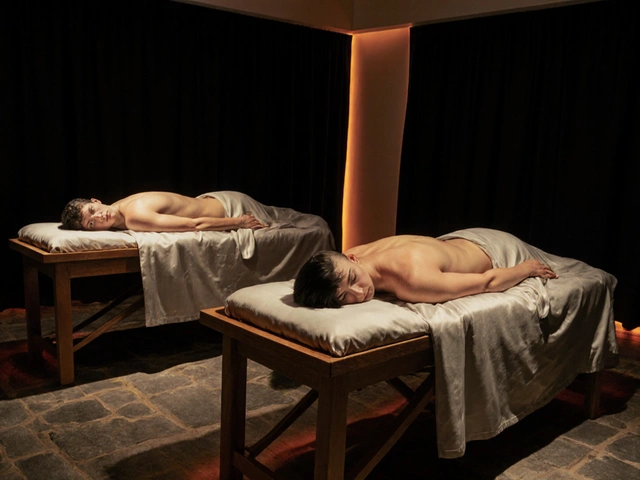
When you get a massage in London—whether it’s a full body session, a head rub, or a deep scalp treatment—it’s normal to walk out feeling amazing. But then you notice it: your hair is oily, slick, maybe even sticky. This isn’t a flaw in the service. It’s a side effect of how massage oils, Liquids applied during therapeutic or sensual touch to reduce friction and enhance glide. Also known as body oils, they are designed to sink into skin and hair. work. Most therapists use coconut, almond, jojoba, or grapeseed oil because they’re smooth, non-irritating, and absorb slowly. But if your scalp’s naturally oily—or if the oil isn’t fully rinsed out—your hair pays the price.
It’s not just about the oil, though. scalp massage, A technique that stimulates blood flow and sebum production in the scalp using fingers or tools. Also known as head massage, it triggers your sebaceous glands. These glands make natural oils to protect your skin and hair. When you massage them, you’re basically telling your body: "Hey, time to ramp up the lubrication." That’s great for reducing tension and improving circulation, but it’s a recipe for greasy roots if you don’t wash your hair afterward. This is especially common in London sessions where therapists focus on relaxation over cleanup—no one wants to rush out of a 90-minute unwind.
And here’s the thing: it’s not always the oil. Some people mistake post-massage greasiness for sweat or product buildup. But if you’re not using shampoo or conditioner after a session, you’re leaving behind residue that clogs follicles and makes hair look flat. Even if the massage was fully clothed, oils can transfer to your hair from your neck, shoulders, or back. It’s not about hygiene—it’s about chemistry. Your skin and hair don’t care if it was a Swedish massage or a sensual session. They just react to what’s on them.
So what do you do? First, don’t panic. This happens to everyone who gets regular massages. Second, keep a small bottle of dry shampoo in your bag. A quick spritz after your session can absorb excess oil before you hit the street. Third, if you’re planning a massage, ask the therapist what oil they use. Some offer lighter options like grapeseed or fractionated coconut oil—less likely to leave a greasy film. And if you’re serious about avoiding the slick look, schedule your massage for the day before you wash your hair. That way, you’re not fighting your own natural oil cycle.
There’s also a psychological trick: if you know greasy hair is coming, you mentally prepare for it. No more surprise glances in the mirror. You walk out knowing you’ll need a quick wash, not a full shower. That’s the difference between being annoyed and being in control.
The posts below cover everything from the best massage oils used in London to how head massages affect your scalp health, why some therapists skip rinsing, and what men actually do to clean up after a session. You’ll find real tips from people who’ve been there—not just theory, but what works on the ground. Whether you’re getting a Swedish massage, an outcall session, or a luxury head rub, this isn’t about avoiding oil. It’s about managing it so you walk out feeling relaxed, not greasy.
Posted by Alistair Kincaid On 3 Nov, 2025 Comments (0)

An Indian head massage in London leaves your hair oily-but your mind clear. Here’s why men swear by it for stress relief, better sleep, and a weirdly spiritual high.