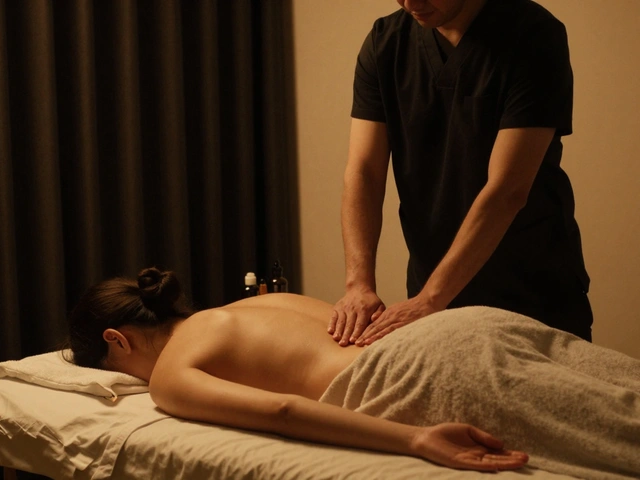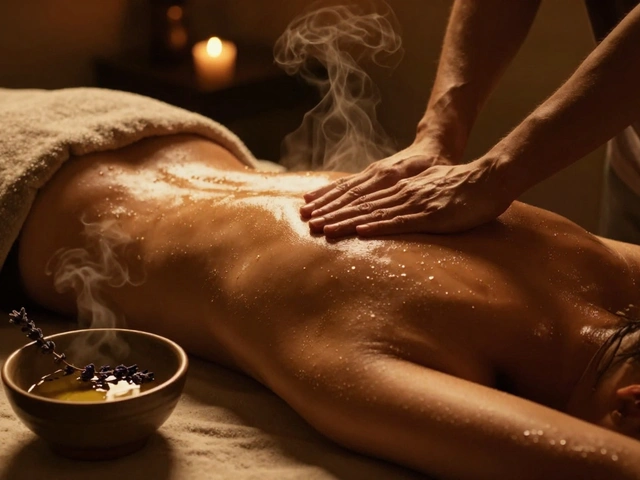
When it comes to best oils for massage, natural, skin-friendly liquids that enhance touch and allow smooth gliding during therapy. Also known as massage carrier oils, they’re not just lubricants—they’re the silent partners in every therapeutic session, affecting everything from absorption to mood. The right oil doesn’t just make your skin glide—it changes how your body responds. A bad oil can clog pores, cause irritation, or fade too fast. The right one? It sinks in quietly, carries scent, warms slightly with touch, and leaves your skin soft for hours.
Therapists in London don’t pick oils by price or packaging. They pick by what works on real skin, under real pressure. carrier oils, base oils like sweet almond, jojoba, or grapeseed that dilute potent extracts and deliver them safely to the skin form the foundation. Jojoba mimics your skin’s natural sebum, so it doesn’t sit on top—it integrates. Sweet almond is gentle, light, and packed with vitamin E, perfect for sensitive skin. Grapeseed? Fast-absorbing, non-greasy, and ideal for deep tissue work where you don’t want to slip. Then there’s essential oils, highly concentrated plant extracts like lavender, eucalyptus, or peppermint that add scent and therapeutic effects. Lavender calms the nervous system. Peppermint cools sore muscles. Eucalyptus clears sinuses and eases tension. But here’s the catch: essential oils aren’t used straight. They’re always diluted—usually 1-3% in a carrier. Too much, and you burn. Too little, and you feel nothing.
Most people think massage oil is just oil. It’s not. It’s chemistry. It’s biology. It’s the difference between a session that leaves you numb and one that leaves you reset. In London, the best therapists blend oils based on the client’s needs—dry skin? Go for avocado oil. Inflammation? Add a drop of chamomile. Stress? Lavender and frankincense. Athletes? Rosemary and ginger for circulation. Even the temperature matters. Warm oil penetrates deeper. Cold oil shocks the system. And yes, some therapists still use coconut oil—even though it solidifies in winter and clogs pores for some. It’s popular, but not always the smartest choice.
You don’t need to buy a bottle of luxury oil to get results. But you do need to know what you’re putting on your skin. If you’re getting a massage in London and the therapist doesn’t tell you what oil they’re using, ask. If they say "it’s just massage oil," walk away. Real professionals know the difference between almond and apricot kernel. They know why jojoba lasts longer than sunflower. They know that lavender isn’t just for relaxation—it’s for lowering cortisol. And they won’t waste your time with cheap, rancid, or synthetic stuff.
Below, you’ll find real sessions from London’s top therapists—each one using specific oils to create real results. Whether it’s a deep tissue reset, a calming couples ritual, or a head massage that clears brain fog, the oil matters as much as the hands. This isn’t about luxury. It’s about what actually works.
Posted by Jessica Mendenhall On 10 Nov, 2025 Comments (0)
Learn how to pick the best essential oils for aromatherapy massage that turn relaxation into intimacy. Discover which scents trigger desire, calm, and deep connection - backed by real experience.