
Let’s cut the crap. You’ve been grinding hard-early mornings, late nights, weights, sprints, reps that make your bones ache. You’re not just training. You’re trying to sports massage London your way into the next level. But your body’s screaming. Your hamstrings feel like old rubber bands. Your shoulders lock up like a rusty hinge. And that tightness in your lower back? It’s not just sore. It’s sabotage.
Here’s the truth nobody tells you: recovery isn’t optional. It’s the secret handshake of the elite. And if you’re not getting sports massage in London, you’re leaving 30% of your gains on the table. I’ve seen guys who train harder than me, eat cleaner, sleep more-and still get crushed by injuries. Why? Because they thought stretching and foam rolling were enough. Spoiler: they’re not.
What the hell is sports massage, really?
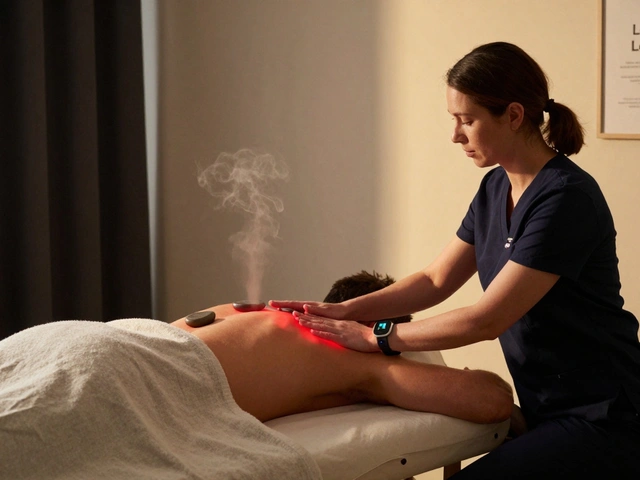
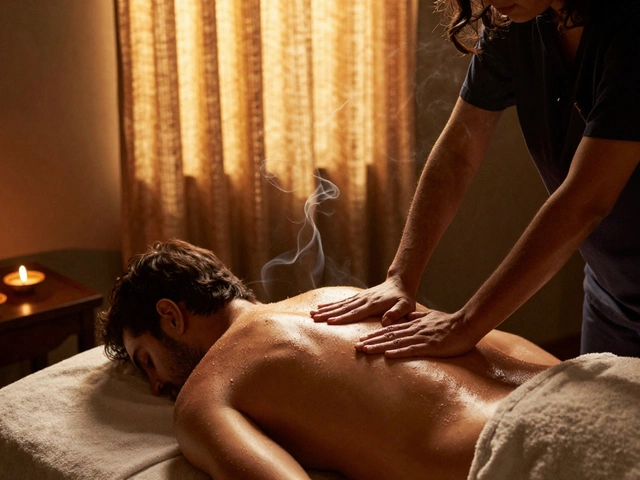
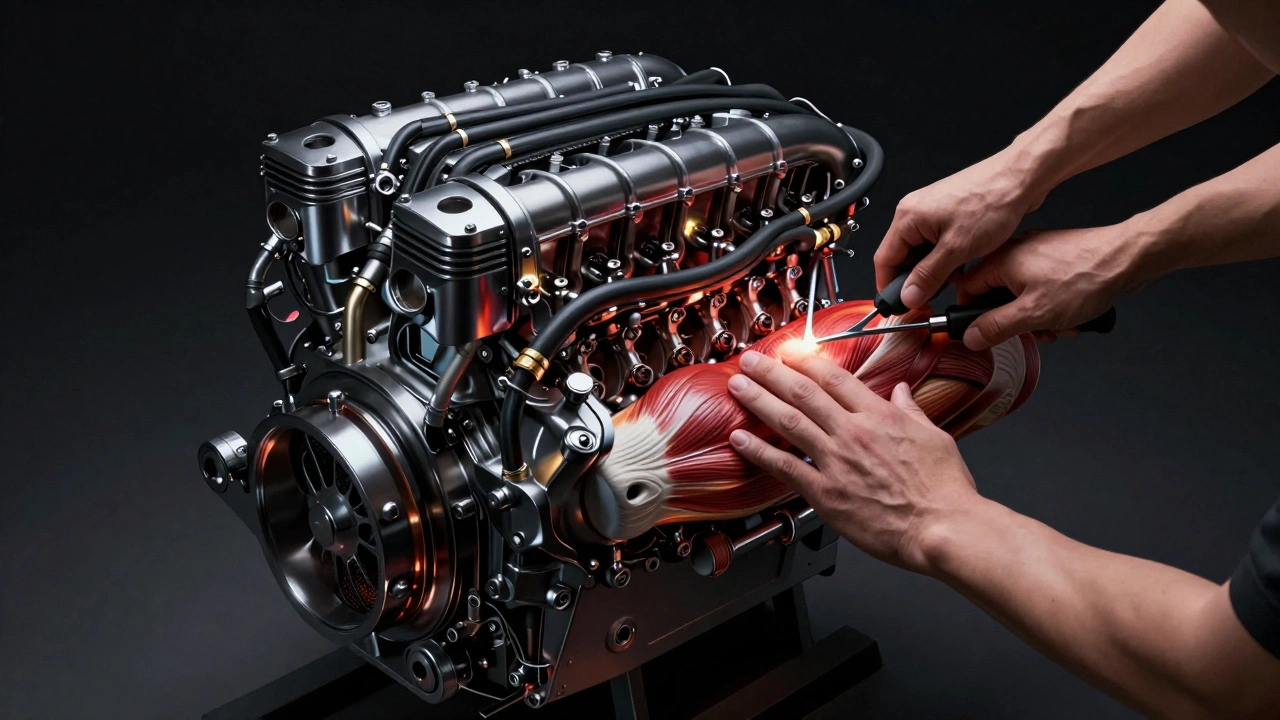
It’s not a spa day. It’s not candles and lavender oil. This is war medicine for your muscles. Sports massage in London is deep, targeted, and brutal. Think of it like a mechanic tuning a race car-but instead of spark plugs, they’re digging into your glutes, quads, and lats with thumbs that could crack walnuts. It’s about breaking up scar tissue, flushing out lactic acid, and waking up nerves that got shut down from overuse.
Unlike regular massage, which tries to relax you, sports massage wants to rebuild you. It’s aggressive. It hurts. And that’s the point. You don’t walk out feeling like you’ve been hugged by a cloud. You walk out feeling like you’ve been hit by a truck… and then fixed by a genius.
How do you actually get it in London?
You don’t just Google ‘sports massage’ and pick the first one with a pretty website. That’s how you end up with a therapist who thinks ‘deep pressure’ means pressing harder with their elbow while scrolling Instagram.
Here’s how to find the real ones:
- Look for therapists with Level 4 or 5 certifications in sports massage-preferably from CIMSPA or UK Sports Therapy Association. No exceptions.
- Check reviews for words like ‘painful but worth it’, ‘fixed my hip', or 'I ran a PB after this'. If they say ‘relaxing’, run.
- Ask if they’ve worked with athletes. Not just ‘clients’. Real athletes-runners, cyclists, CrossFit warriors. If they’ve never touched a powerlifter’s lower back, they’re not qualified.
- Book a 60-minute session. Anything less is a waste of cash and time.
Price? In London, you’re looking at £70-£120 for an hour. Yeah, it’s steep. But compare it to the cost of missing a race, skipping a competition, or spending three months on the couch because you ignored a nagging tightness. One session costs less than a new pair of running shoes. And it’ll last longer.
I’ve had sessions at places like London Sports Therapy Co. in Shoreditch and Elite Recovery Lab near King’s Cross. Both have therapists who’ve worked with pro cyclists and Premiership footballers. One guy, Dave, used to massage the England rugby squad. He once told me, ‘If it doesn’t hurt, it’s not working.’ He wasn’t lying.
Why is it so popular in London?
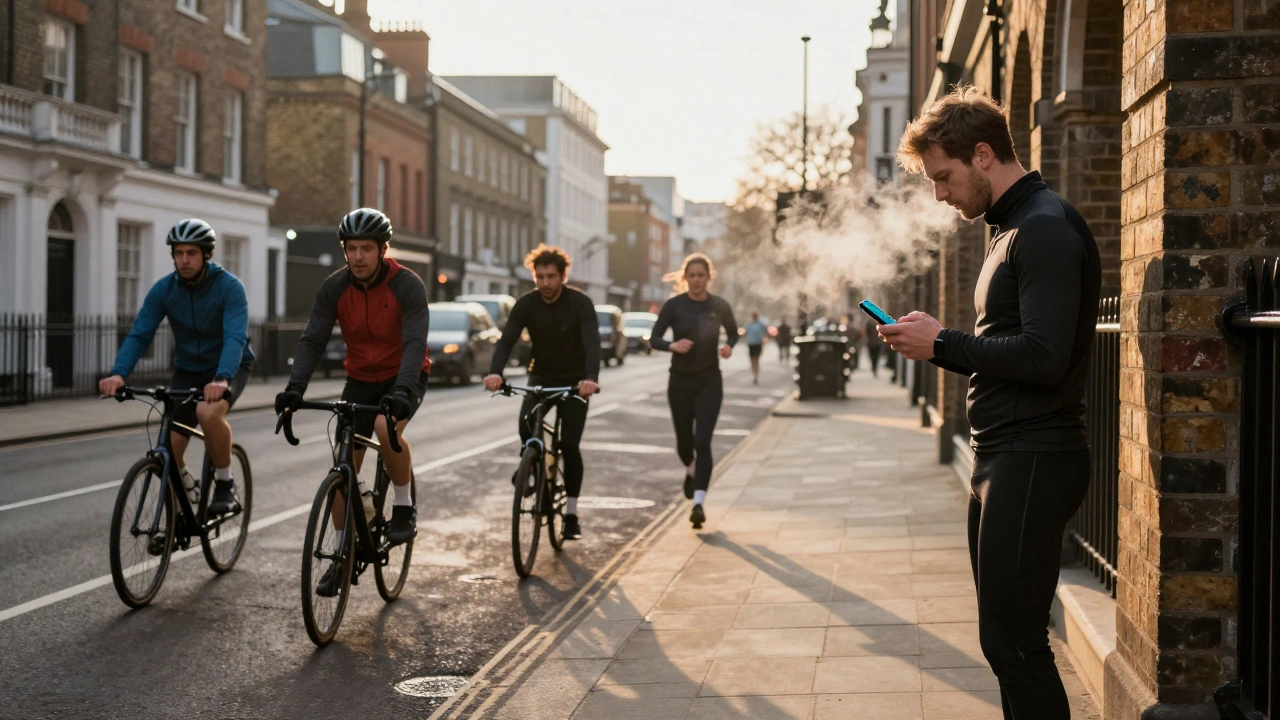
Because London doesn’t do half measures. If you’re training hard here, you’re surrounded by people who are pushing harder. You see it on the streets-guys in compression gear sprinting at 7am. Women doing kettlebell circuits in Hyde Park. Triathletes lacing up at dawn. Everyone’s chasing something.
And they know: if you don’t recover, you regress. So they book. They show up. They suffer through the pain. And then they come back stronger. It’s not a luxury. It’s a necessity. The city’s got over 120 certified sports massage clinics now. That’s up 67% since 2023. People aren’t just getting massages-they’re investing in performance.
And let’s be real: Londoners are tired of wasting time. If you can shave 10 seconds off your 5K by fixing a tight IT band, you’re going to do it. No one’s asking for permission. They just book, show up, and get it done.
Why is it better than everything else?
Let’s break it down:
| Method | Cost (per session) | Time to feel effect | Duration of benefit | Can fix injury? |
|---|---|---|---|---|
| Stretching | £0 | Immediate (but temporary) | 2-4 hours | No |
| Foam rolling | £30 (roller) | 15-30 mins | 6-12 hours | Only minor tightness |
| Ice baths | £15-£40 | 1 hour | 12-24 hours | No |
| Sports Massage | £70-£120 | 24-48 hours | 3-7 days | Yes |
See the difference? Sports massage doesn’t just mask pain. It fixes the root. It finds the knots you didn’t even know you had. I had a runner come in once-couldn’t run more than 2km without his calf seizing up. We found a 4cm-long adhesion in his gastrocnemius. One session, and he ran a half-marathon two weeks later. No meds. No surgery. Just hands, pressure, and patience.
And here’s the kicker: it’s not just for athletes. If you sit at a desk 8 hours a day and lift weights on weekends? You’re an athlete. Your body doesn’t care if you’re in a suit or a singlet. It just wants to move without screaming.
What kind of high do you actually get?
You think you’re going to feel relaxed. You’re wrong.
You’re going to feel reborn.
First hour: agony. The therapist’s thumb digs into your hip flexor like it’s trying to find your soul. You’re sweating. You’re swearing. You’re wondering if this is torture disguised as therapy.
Second hour: silence. Your body stops fighting. Your breathing slows. Your mind goes quiet. That’s when the magic happens. The tension doesn’t just leave-it unfurls. Like a spring you didn’t know was coiled for years.
Then you stand up. And you feel it.
It’s not euphoria. It’s clarity. Your legs feel lighter. Your spine aligns like it was meant to. Your shoulders drop. You take a breath-and it goes all the way down. You realize you haven’t breathed like that in months.
That’s the high. Not a buzz. Not a rush. It’s the quiet, deep certainty that your body is finally working the way it should. You move better. You sleep deeper. You recover faster. You train harder. And when you step onto the track, the court, the gym floor-you don’t just feel strong. You feel unstoppable.
That’s the secret weapon. Not the supplement. Not the gadget. Not the new shoes.
It’s the hands of someone who knows exactly where your body is broken-and how to fix it.