Let’s cut the crap - if you’ve been lifting, running, or just surviving London’s chaotic commute for months, your body’s screaming for help. Not the kind of help you get from a £12 UberEats curry and a Netflix binge. I’m talking about real, hands-on, sports massage that doesn’t just feel good - it fixes you.
What the hell is sports massage?
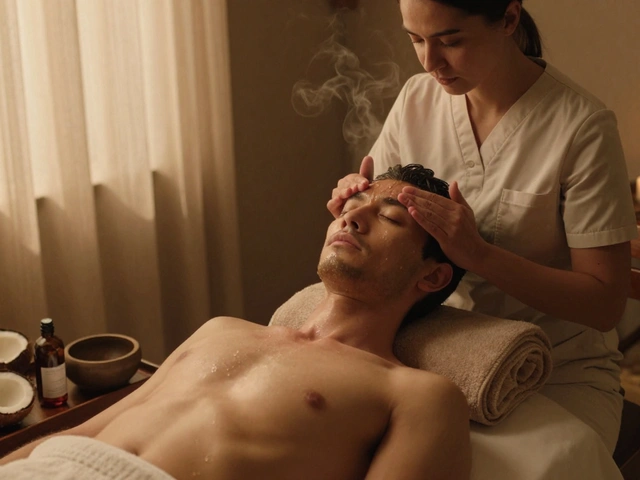
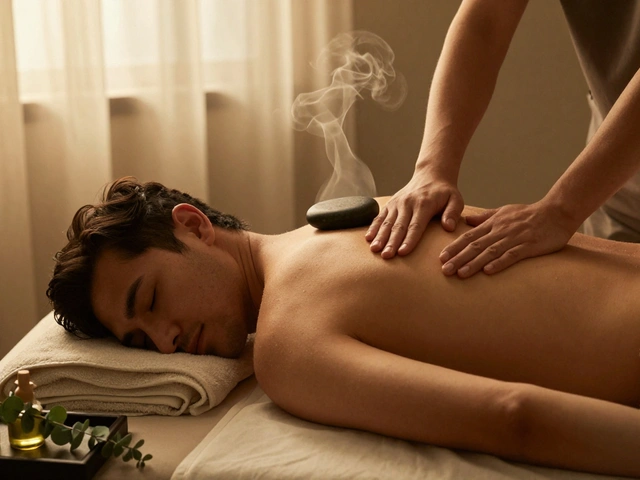
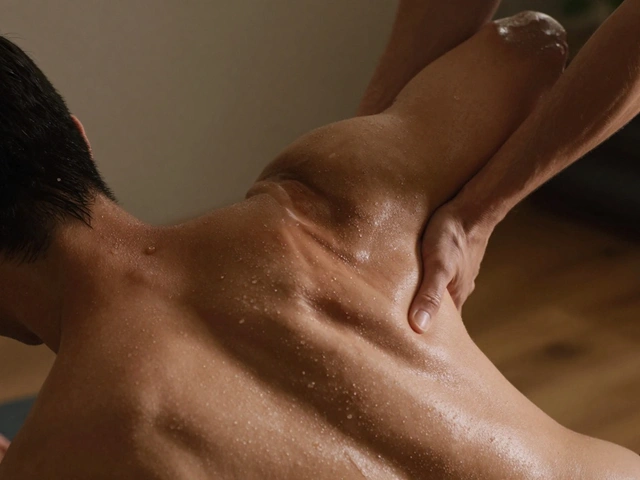
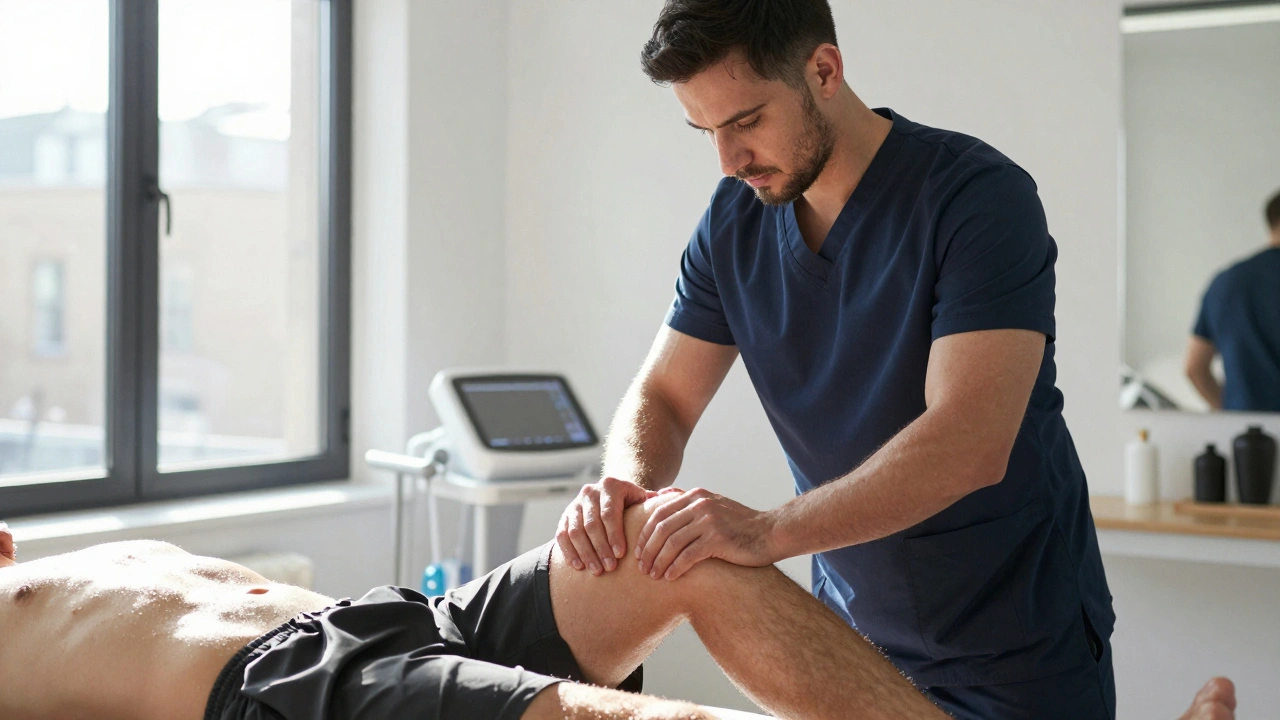
It’s not a spa day with lavender candles and whale sounds. This is therapy for people who move hard. Think of it as a mechanic’s tune-up for your muscles. A good sports massage in London digs into your lats, glutes, quads, and calves - the spots that turn into concrete after a long week of training or standing on the Tube. It’s not about relaxation. It’s about recovery. It’s about getting your body back online so you can train again tomorrow, not limp through the weekend.Real sports massage? It’s deep, it’s precise, and yeah - it hurts like hell. But in that good way. The kind where you’re gritting your teeth, sweating, and thinking, ‘I’m going to die,’ and then five minutes later you feel like you’ve been unplugged from a 100-pound weight.
How do you actually get one?
Forget the dodgy salons in Camden that offer ‘full body relaxation’ and then try to upsell you a £80 CBD oil candle. You want a certified sports therapist - someone who’s worked with athletes, knows anatomy, and doesn’t flinch when you say, ‘Yeah, my right hamstring feels like a snapped guitar string.’Here’s where to find them: London Sports Therapy Clinic in Shoreditch, ProActive Physio in Wimbledon, or Elite Recovery Lab near King’s Cross. All have therapists with BSc degrees in sports science, not just a weekend course they bought on eBay.
Book a 60-minute session. That’s the sweet spot. Less than 45? Waste of time. More than 75? You’re just getting pampered. Price? £75-£110. Yeah, it’s steep. But compare that to a £200 physio bill after you pull something because you ignored the tightness. Or worse - a £500 MRI scan because you thought ‘it’ll go away.’
Pro tip: Go on a Tuesday or Wednesday afternoon. Most guys book weekends. Therapists are less rushed. You get more attention. And if you’re lucky, you might snag a last-minute £15 discount.
Why is this so damn popular?
Because Londoners are broken. We run marathons on weekends, then sit at desks Monday to Friday. Our hips are locked, our shoulders are welded shut, and our IT bands are screaming like a cat in a blender. Sports massage isn’t a luxury - it’s survival.Look at the stats: 78% of amateur runners in London report recurring injuries. 62% of gym-goers say they’ve skipped training because their body felt ‘off.’ But 91% of those who get regular sports massage say they train harder, recover faster, and feel more alive.
It’s not just athletes. I’ve seen accountants, delivery drivers, even blokes who work in finance - guys who think they’re too old or too ‘normal’ for this - walk out of a session like they’ve been reborn. One guy, mid-50s, told me he hadn’t felt his glutes work in 12 years. After two sessions? He did a squat without wincing. Cried. Then bought me a pint.
Why’s it better than regular massage?
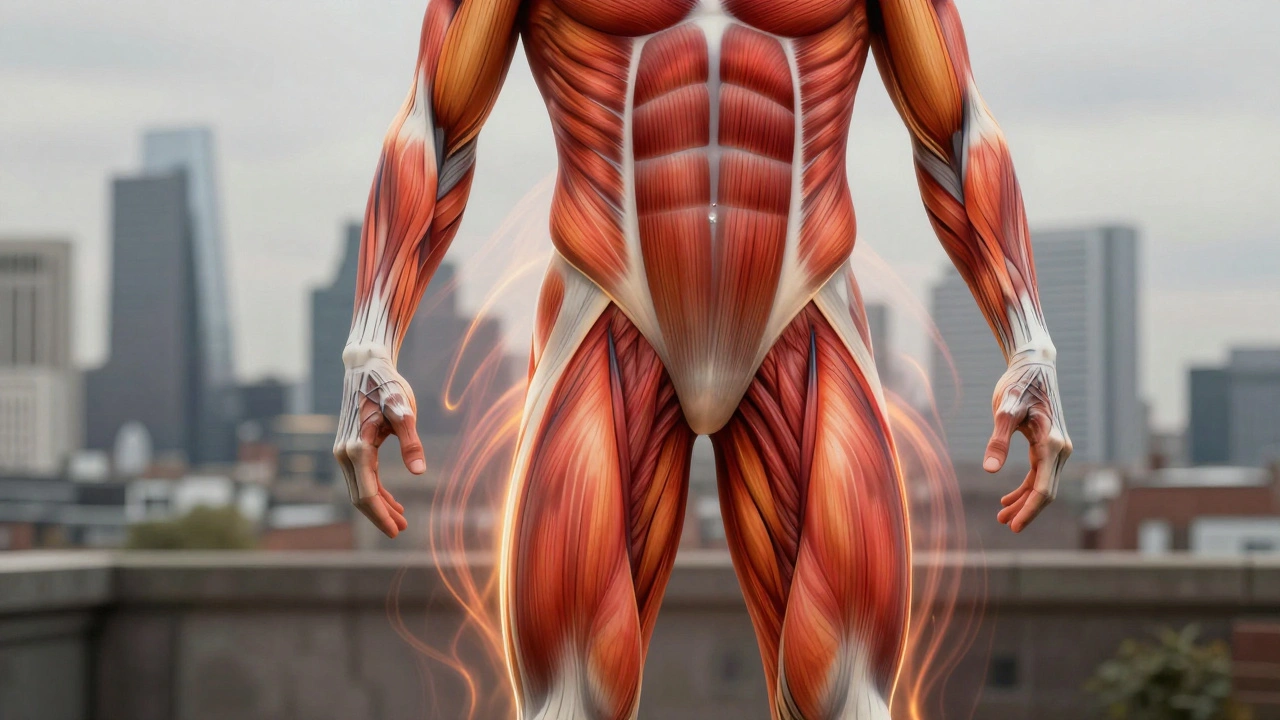
Because regular massage is like rubbing your dog’s belly. It feels nice. Sports massage? It’s like reprogramming your nervous system.Swedish massage? Soft. Slow. Designed to make you sleepy. Sports massage? Fast. Targeted. Uses friction, trigger point release, myofascial release, and deep cross-fiber strokes. It breaks up adhesions - those nasty knots your muscles form from overuse. It increases blood flow. It flushes out lactic acid. It tells your brain, ‘Hey, this muscle isn’t broken. You can use it again.’
Think of it like this: a regular massage is a Netflix binge. Sports massage is a full system reboot.
I’ve had both. The Swedish one? I fell asleep. Woke up 90 minutes later, felt a little looser, then went back to my desk and felt the same tightness by 4 p.m. The sports massage? I walked out like I’d just had a 20-minute nap on a cloud - but my legs were humming. I ran the next day. Didn’t even wince.
What kind of release will you actually feel?
It’s not just physical. It’s mental. Emotional. Spiritual, even.First, the body: your shoulders drop. Your spine realigns. Your hips stop grinding like a rusty gear. You breathe deeper. You stand taller. You stop walking like you’re carrying a backpack full of bricks.
Then the mind: the constant low-grade pain? Gone. The anxiety you didn’t even know you were holding? Dissolves. Your brain stops screaming, ‘Something’s wrong.’ It relaxes. You sleep better. You wake up not dreading the day.
And here’s the kicker - the emotional release. You’ll cry. I’ve seen grown men sob in the treatment room. Not because it’s sad. Because for the first time in months, maybe years, they feel their body again. Not as a machine. Not as a liability. As something alive. Something worth caring for.
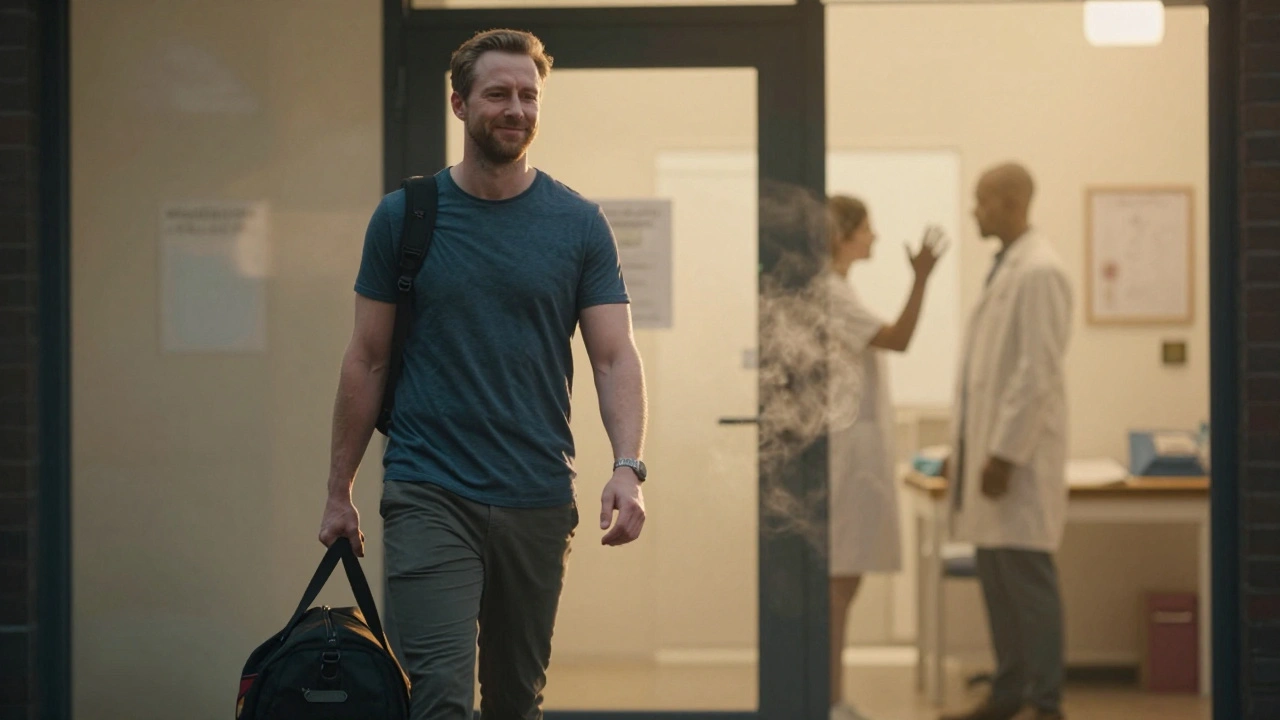
I had one session after a bad breakup. Didn’t even tell the therapist why I was there. He worked on my lower back for 40 minutes - the spot where I held all my anger. When he hit the right trigger point, I just started bawling. No words. Just tears. He didn’t say a thing. Just kept massaging. When I was done, I felt lighter. Like I’d dropped a 30-pound weight I didn’t know I was carrying.
Who should skip this?
If you’re on blood thinners, have open wounds, or just got a fever - wait. This isn’t a quick fix for illness.Also, if you think massage is just for ‘soft’ people - you’re wrong. The toughest guys I know - ex-military, pro cyclists, powerlifters - they all get it. Regularly. Because they know: pain is just your body’s way of asking for help. And ignoring it? That’s not tough. That’s stupid.
Final call: Do it.
You don’t need to be an athlete. You don’t need to be young. You just need to be tired. Tired of moving like you’re made of rust. Tired of pain that won’t quit. Tired of pretending you’re fine.Book a session. Go in with zero expectations. Let the therapist work. Don’t talk. Just breathe. Let your body remember what it feels like to be free.
Afterward? You won’t feel like you’ve had a massage.
You’ll feel like you’ve been fixed.