
Let’s cut the bullshit - you’ve seen those women walking down the street looking like they just stepped out of a Chanel ad. No contouring. No filter. Just skin that glows like it’s lit from inside. You think it’s genetics? Luck? A €5,000 facial? Nah. It’s lymphatic drainage massage. And yeah, it’s the quietest, sexiest secret in beauty.
What the hell is lymphatic drainage massage?
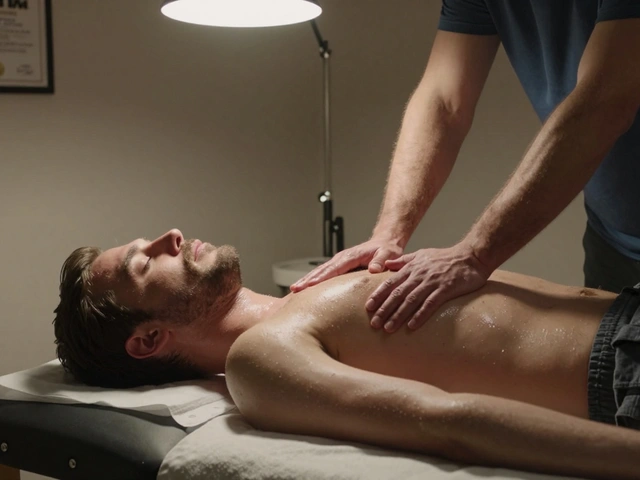
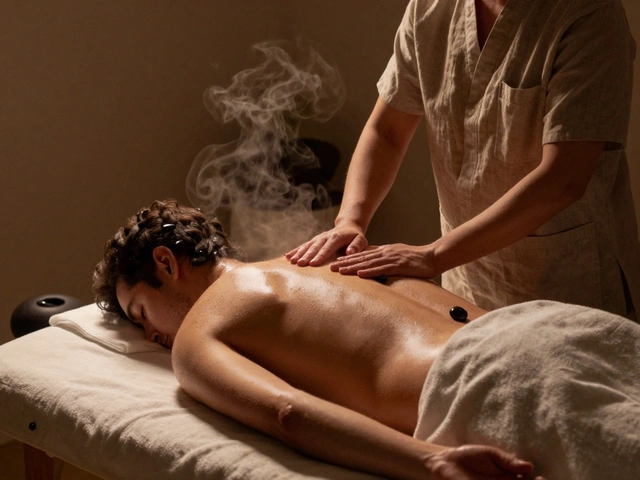
It’s not a deep-tissue beatdown. It’s not a handjob with a sponge. It’s a whisper of touch - light, rhythmic, deliberate. Your lymphatic system is your body’s sewage system. No pumps. No pressure. Just slow, gentle strokes that move fluid like a river waking up after winter. When it’s clogged - from stress, sleepless nights, booze, or just sitting at a desk all day - your face puffs up, your eyes look tired, and your skin turns gray like old wallpaper.
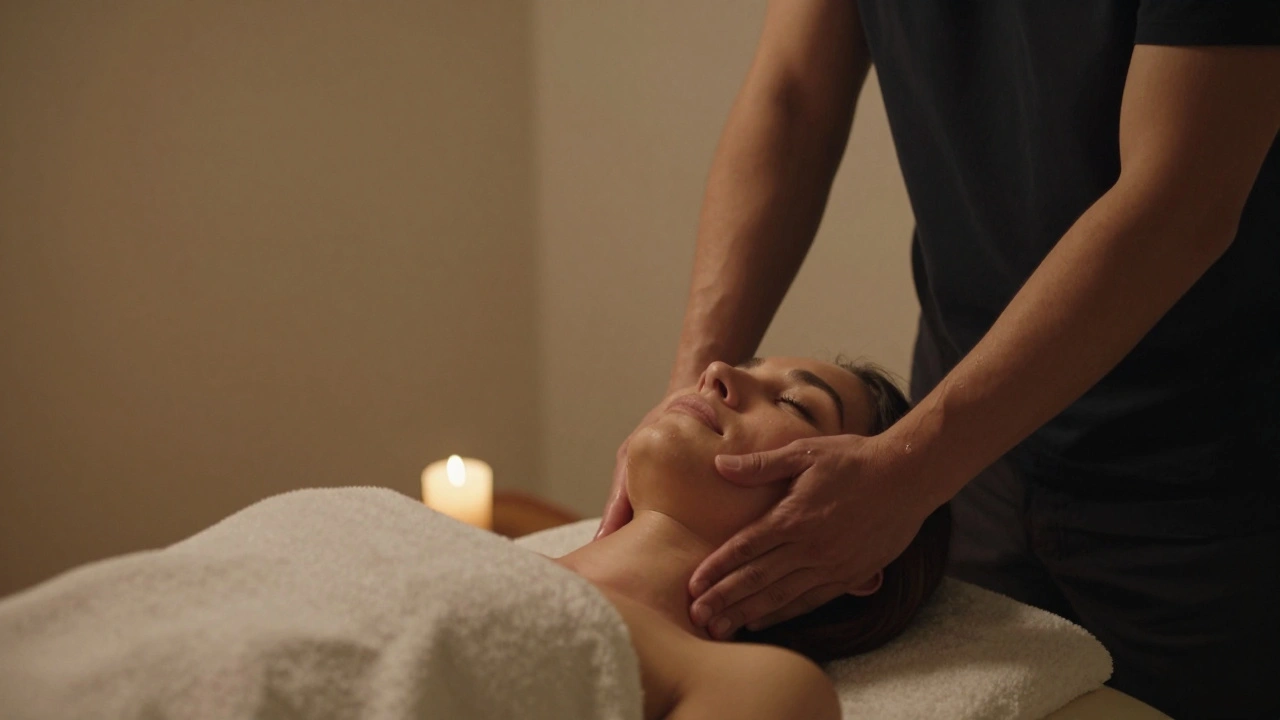
Think of it like unclogging a sink with a wet rag instead of a plunger. No force. Just timing. A trained therapist uses fingertips to trace paths along your jawline, collarbone, behind your ears - places your lymph nodes hang out. One stroke, one breath. Repeat. It’s not sexy in the way you think. But the results? Oh, baby. They’re hotter than a naked woman in a sauna.
How do you actually get this done in London?
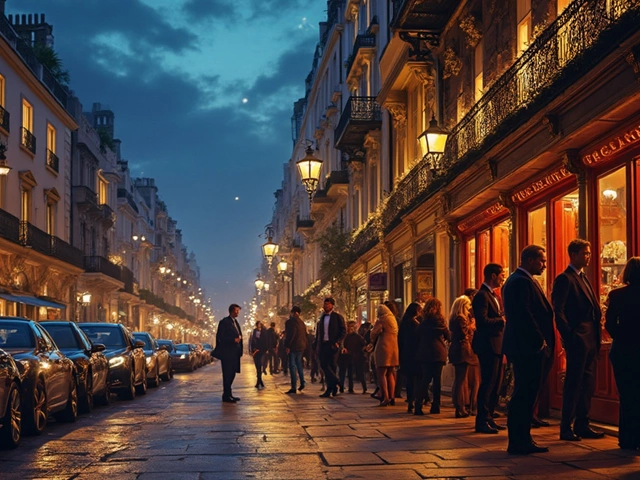
You don’t walk into a spa and ask for "lymphatic stuff." You need to know who to call. Most places in Mayfair or Chelsea charge £120-£180 for a 60-minute session. That’s a lot. But here’s the twist: some therapists in Peckham and Hackney do the exact same thing for £60-£80. Same technique. Same results. Just no marble floors and lavender candles.
Don’t go to a chain. Don’t book through a website that says "detox and glow" with stock photos of women with perfect hair. Look for therapists who mention "manual lymphatic drainage" - that’s the real term. Check their Instagram. Do they post videos of their hands moving in slow circles? Do they talk about the supraclavicular node? That’s the gold. If they just say "relaxing massage," run.
I’ve had it done in a flat in Brixton, a basement in Notting Hill, and even once in a hotel room after a night out. The best session? A 27-year-old ex-nurse from Croatia who did it on a massage table with a single candle and no music. She didn’t say a word. Just moved her hands like she was painting the air. I left looking like I’d slept for eight hours. I hadn’t slept at all.
Why is everyone suddenly obsessed with this?
Because Instagram got tired of filters.
Women are done with chemical peels that make their skin peel off in sheets. They’re tired of Botox that freezes their expressions. They want to look rested without looking like they’ve been to a clinic. Lymphatic drainage doesn’t change your face - it reveals it. It’s the ultimate glow-up that doesn’t require needles, downtime, or a lie to your partner about why you’re "just doing a facial."
And men? We notice. Not because we’re shallow - though we are - but because the difference is physical. Your jawline sharpens. Your eyes pop. The puffiness under them? Gone. Your skin doesn’t just look better - it looks alive. Like you’ve been drinking water, sleeping, and avoiding stress. Even if you haven’t.
Why is this better than everything else?
Let’s compare.
Facial microneedling? £250. Red for 3 days. Feels like sandpaper on your face. Risk of infection. Results last 6 weeks.
RF skin tightening? £400 per session. Feels like a hot fork on your cheeks. Needs 6 sessions. Still doesn’t fix puffiness.
HydraFacial? £150. Feels like a fancy car wash. You leave looking clean. But the glow fades by lunchtime.
Lymphatic drainage? £70. Zero pain. Zero downtime. You leave looking like you just woke up from a 10-hour nap after a week-long vacation in Tuscany. And the best part? It works even if you drank two bottles of wine last night. It works if you’re 40 and haven’t slept properly since your kid was born. It works if you’re stressed, tired, or just… human.
It’s not a treatment. It’s a reset button.
What kind of high do you actually get?
It’s not a drug. But it feels like one.
After your first session, you don’t just look better - you feel lighter. Like your head isn’t full of cotton wool anymore. Your tongue isn’t coated. Your eyes don’t feel like they’re glued shut. You breathe deeper. You smile more. You catch your reflection and think, "Wait… is that me?"
And then the dopamine hits. Not from the massage itself - from the reaction. Your partner says, "You look different. Good different." Your boss says, "You’re glowing today." Your ex texts you out of the blue. It’s not magic. It’s biology. Your body’s detox system is finally moving. Toxins are leaving. Fluid is draining. And your skin? It’s no longer holding onto the crap you’ve been storing.
I’ve had clients - yes, I’ve been on both sides - who swear they got laid the night after their first session. Coincidence? Maybe. But when your face stops looking like a hangover and starts looking like a damn masterpiece? People respond. They lean in. They touch your arm. They notice the way your skin catches the light.

How often should you do it?
Once a week for the first month. That’s when you lock in the glow. After that? Every two weeks. If you’re a night owl, drink, or stress-eater? Once a week. If you’re clean, sleeping, and hydrated? Once a month is enough to stay in the zone.
Pro tip: Do it the day before a date. Or after a night out. Or before a job interview. Or just because you want to feel like a million quid. It’s the only beauty treatment that works whether you’re 22 or 52.
Final truth: This isn’t about beauty. It’s about power.
Real power isn’t in the gym. It’s not in the suit. It’s in the quiet confidence that comes from looking like you’ve got it all figured out - even when you don’t.
Lymphatic drainage massage doesn’t lie. It doesn’t hide. It doesn’t inject. It just… clears. And what’s left? The real you. The one that was buried under stress, alcohol, and bad sleep. And when that version of you shows up? People notice. Women notice. Men notice. You notice.
So go ahead. Book it. Don’t think. Don’t overthink. Just go. Your face will thank you. And so will everyone else who looks at it.