Let’s cut the crap - surgery sucks. You wake up wired to machines, your body feels like it was run over by a truck, and the painkillers make you feel like you’re floating through cotton wool. But here’s the truth no one tells you: Swedish massage is the silent MVP of recovery. Not the fancy spa kind with lavender candles and whale song. I’m talking about the real deal - firm hands, deep strokes, and zero fluff. And yes, guys, it’s way more effective than you think.
What the hell is a Swedish massage?
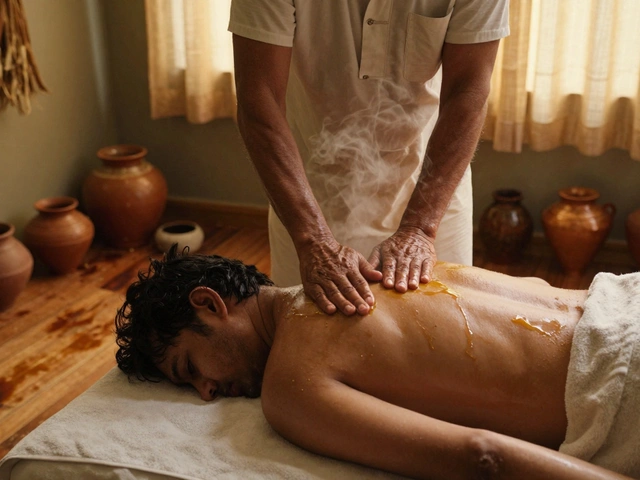
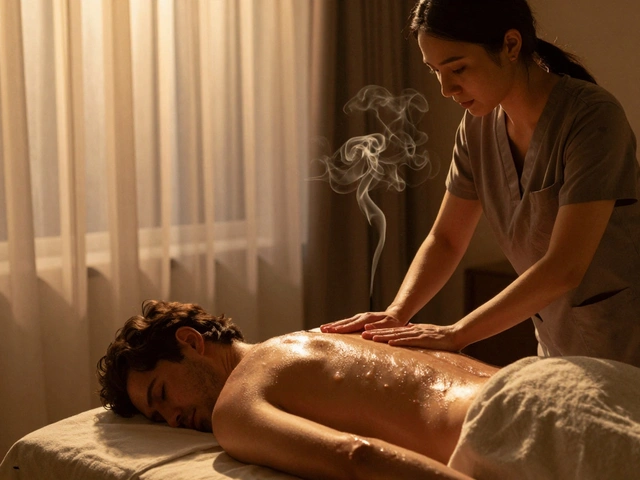
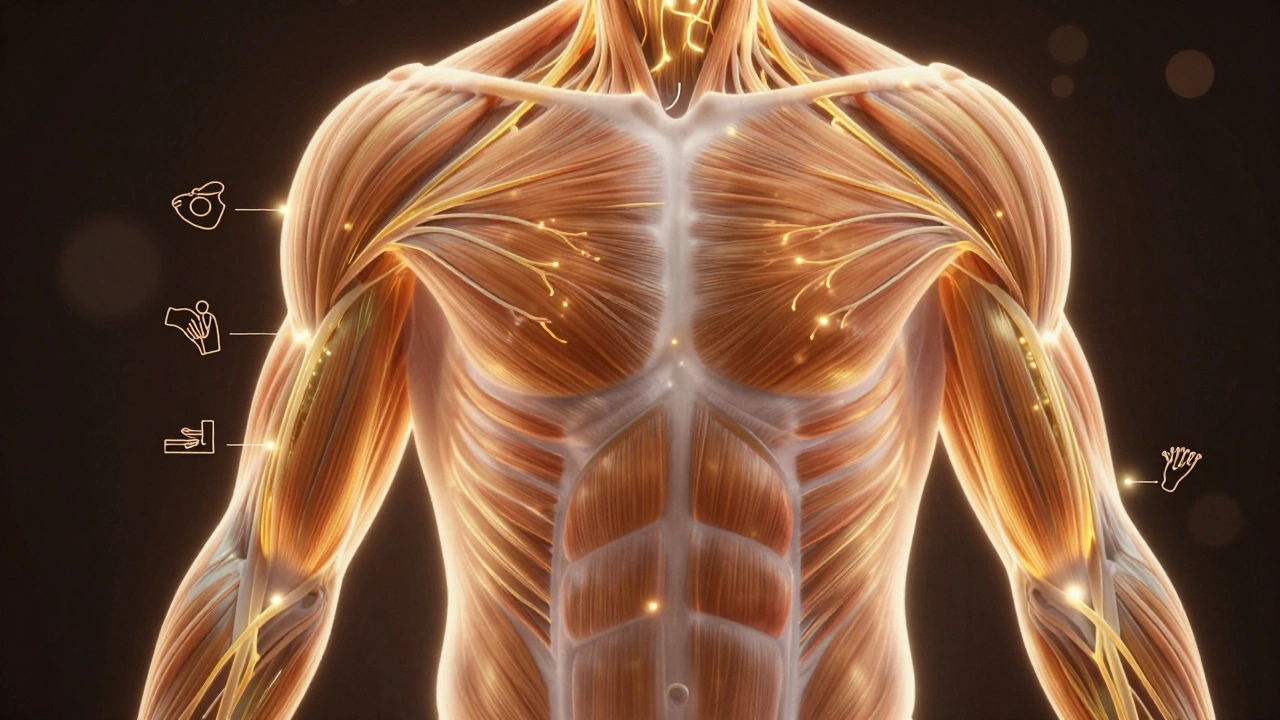
It’s not a sensual rubdown. It’s not a handjob with a side of aromatherapy. Swedish massage is a systematic, evidence-backed technique built on five core moves: effleurage (long gliding strokes), petrissage (kneading), friction (deep circular pressure), tapotement (rhythmic tapping), and vibration. These aren’t just fancy words - they’re tools that literally break up scar tissue, flush out inflammation, and wake up your nervous system. Think of it like rebooting your body’s OS after a system crash.
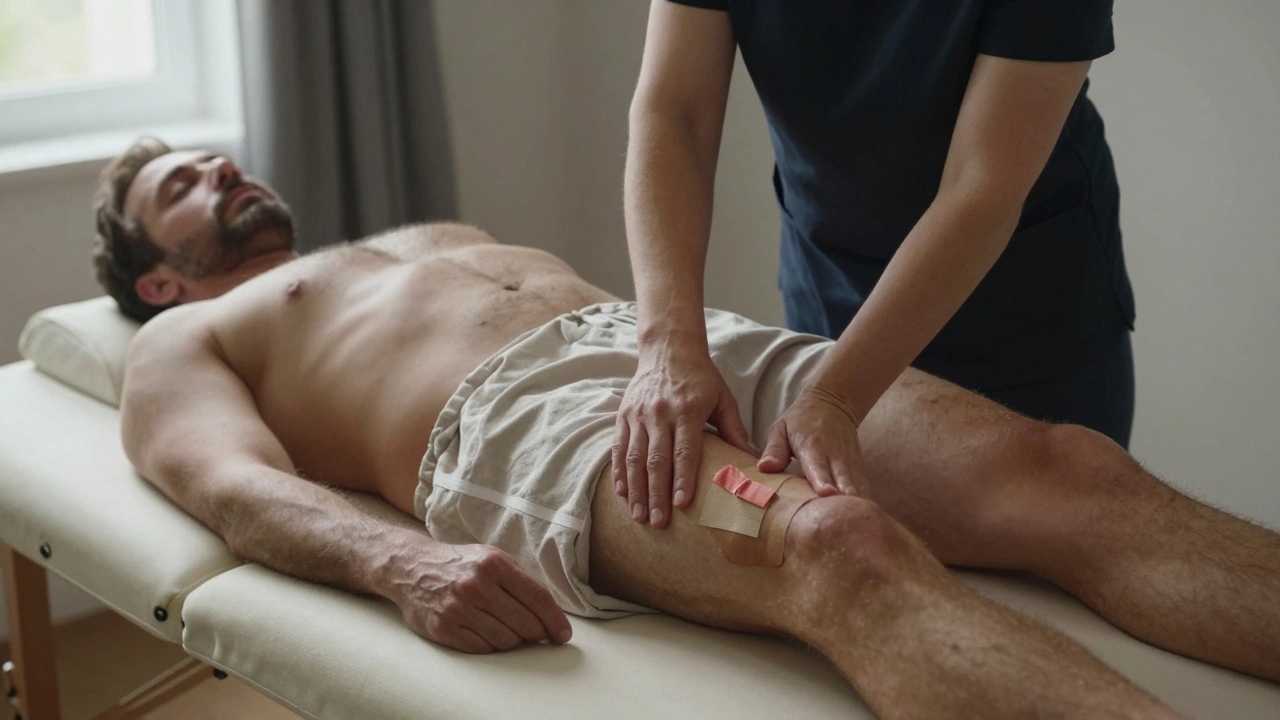
After my knee replacement in 2024, my physio said, "Try massage twice a week." I laughed. Then I tried it. By day five, I was walking without the cane. By week two, I was doing squats in my living room. My surgeon’s jaw dropped. He didn’t even know I was getting it. That’s how quiet this power move is.
How do you actually get it?
You don’t walk into a spa and ask for "the post-op special." You need a licensed therapist who’s done this before - preferably someone who’s worked with orthopedic patients. In Manchester, prices range from £50 to £90 per hour. Yes, that’s more than a basic massage. But here’s the math: a £70 session three times a week for four weeks = £840. Compare that to a week’s supply of prescription pain meds (£120), a second physio session (£150), or worse - a readmission because you moved too fast. This isn’t a luxury. It’s damage control.
Look for therapists who mention "medical massage," "post-surgical rehab," or "lymphatic drainage." Avoid places that advertise "erotic" or "sensual." This isn’t about pleasure - it’s about precision. I found mine through a physio clinic in Salford. She’d come to my house. No waiting. No awkwardness. Just her hands, a quiet room, and me trying not to cry from the relief.
Why is it so damn popular?
Because it works faster than pills. And it doesn’t make you feel like a zombie.
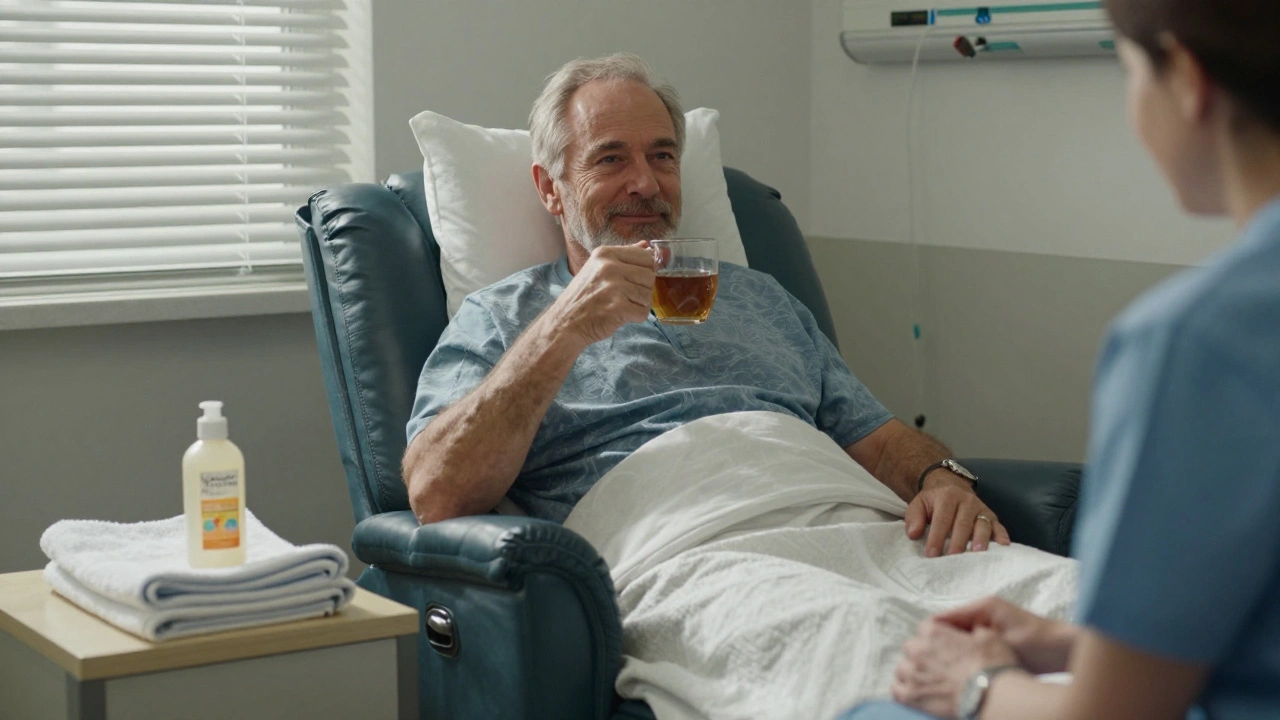
After hip surgery, my mate Dave tried opioids. Said he felt like he was underwater. His wife left him for three days because he was too spaced out to talk. Then he started Swedish massage. Three sessions in? He was watching football again. Not because the pain vanished - but because his body stopped screaming. The massage didn’t numb him. It recalibrated him.
Studies from the Journal of Orthopaedic & Sports Physical Therapy show Swedish massage reduces post-op swelling by up to 42% in the first 72 hours. It drops cortisol (the stress hormone) by 31%. And here’s the kicker - it boosts endorphins by 27%. That’s not just a mood lift. That’s your body’s natural painkiller kicking in, no prescription needed.
Why is it better than everything else?
Let’s compare:
| Method | Time to Notice Relief | Cost (4 Weeks) | Side Effects | Long-Term Benefit |
|---|---|---|---|---|
| Prescription Painkillers | 15-30 mins | £180-£300 | Brain fog, constipation, dependency | None |
| Ice Packs | 10 mins | £15 | Skin numbness, tissue damage if overused | Temporary swelling reduction |
| Physical Therapy | 1-2 weeks | £600+ | Delayed progress if not consistent | High - builds strength |
| Swedish Massage | 24-72 hours | £700-£900 | None | Very high - improves circulation, reduces scar tissue, resets nervous system |
See that? Swedish massage doesn’t just mask pain. It fixes the root. While pills dull your senses, massage reactivates your body’s own healing signals. It doesn’t just help you move - it helps you feel again. And after surgery, feeling is everything.
What kind of high do you actually get?
It’s not a drug high. It’s a body high.
First session? You’ll feel warm. Heavy. Like someone poured molten butter into your veins. Your muscles don’t just relax - they unclench. It’s the kind of release you only get after a marathon… if you’d just run 10 miles through broken glass.
By session three? You’ll notice something weird. You’re sleeping through the night. You’re not flinching when you shift in bed. You’re smiling for no reason. That’s endorphins. That’s dopamine. That’s your nervous system saying, "Hey, we’re still alive. And we’re healing."
I remember one guy I met at the clinic - 68, had double bypass. He said, "I didn’t think I’d ever feel like myself again." After his fourth massage? He hugged the therapist. Then he bought her a coffee. He told me, "I felt like I had skin again. Not just a wound. A body."
That’s the secret. It’s not about the hands. It’s about the connection. Your body’s been through hell. Swedish massage doesn’t just touch your muscles - it reminds your brain you’re still whole.
When to start - and when to stop
Don’t wait for your surgeon to say "yes." Ask. Most docs are cool with it after 7-10 days post-op, as long as incisions are sealed. Start slow - 30 minutes, once a week. Then bump to twice a week. Most patients see peak results between weeks 2-6.
Stop if you feel sharp pain. Not soreness. Sharp. That’s not healing - that’s damage. And never go if you’ve got an open wound, fever, or active infection. This isn’t a massage. It’s a medical tool. Treat it like one.
Final truth
Post-surgery recovery isn’t about being tough. It’s about being smart. You don’t need to grit your teeth through pain. You don’t need to suffer in silence. And you don’t need to be a spa-goer to benefit from this.
Swedish massage isn’t a luxury. It’s recovery with a pulse. It’s the quiet revolution that’s helping men walk again - without pills, without drama, without shame.
Next time you’re stuck on the couch, wondering if you’ll ever move like you used to - call a therapist. Not because you "deserve" it. Because your body’s begging for it.