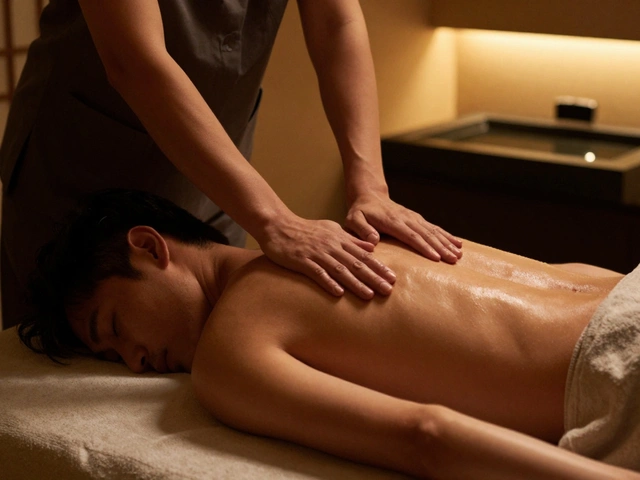
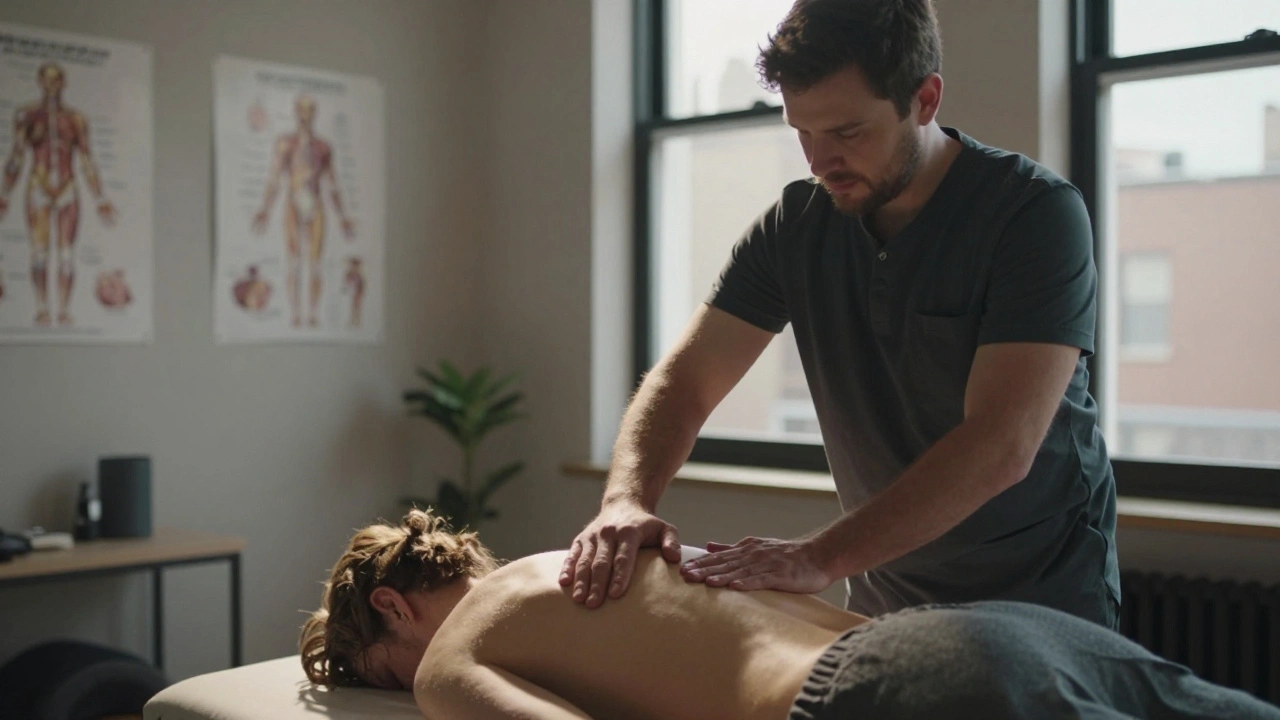
Let’s cut the bullshit - you’re not here for a spa day with cucumber slices and ambient music. You’re here because your back feels like it’s been run over by a bus, your shoulders are welded shut, and your brain’s been stuck in overdrive since 2023. You want a massage that doesn’t just tickle your skin - one that unravels you. And in London, you’ve got options. But not all of them are worth your cash or your time.
What the hell is massage therapy, really?
It’s not a handjob with extra steps. It’s not some mystical energy ritual where the therapist chants in Sanskrit while you half-asleep. Real massage therapy? It’s clinical-grade touch. Trained hands, deep knowledge of anatomy, and the kind of pressure that makes you forget your own name. Think of it like a mechanic for your nervous system. You’re not getting pampered - you’re being rebuilt.
London’s top therapists don’t just knead. They assess. They check your posture, ask about your sleep, your stress levels, your last injury. They know which muscle group’s screaming because you sat on a couch for 12 hours straight binge-watching shit on Netflix. They don’t guess. They fix.
How do you actually get it - without getting scammed?
You don’t just Google ‘massage London’ and pick the first one with pretty photos. That’s how you end up with some guy in a flat in Croydon who calls himself a ‘therapist’ but last worked at a petrol station. You need credentials.
Look for BIMT (British Institute of Massage Therapy) or CIM (Complementary and Integrated Medicine) certified practitioners. These people have done 600+ hours of anatomy, pathology, and hands-on training. They’re not just strong - they’re smart. And they’ll tell you if you need a physio instead of a massage.
Best way to find them? Go to British Institute of Massage’s directory. Or ask in r/LondonMassage on Reddit - real people, real reviews. No fake 5-star bots.
Price? Here’s the breakdown:
- £40-£60 for 60 mins at a chain spa (Think ESPA, The Spa at The Savoy) - pretty, but shallow.
- £70-£100 for 60 mins with a private therapist in Notting Hill or Shoreditch - this is where the magic happens.
- £120-£180 for 90 mins with a therapist who’s worked with pro athletes or rehab clinics - yes, it’s expensive. No, you won’t regret it.
Pro tip: Book a 90-minute session on a Friday afternoon. You’ll be the last one before the weekend. They’re relaxed. You’re relaxed. The pressure? Deeper. Better. Longer.
Why is this shit so popular in London?
Because the city is a pressure cooker. Commutes that feel like war zones. Work that never stops. Bosses who think ‘mental health day’ is a joke. People here don’t just want to feel good - they need to survive.
I’ve had therapists in London tell me they’ve worked with bankers who cry during sessions. Not because they’re weak - because their bodies finally let go. One guy, a hedge fund manager, told me he’d been clenching his jaw so hard he cracked a tooth. After three sessions? He slept 8 hours straight for the first time in two years.
It’s not about luxury. It’s about recovery. Londoners pay for results. Not vibes.
Why is London’s massage scene better than anywhere else?
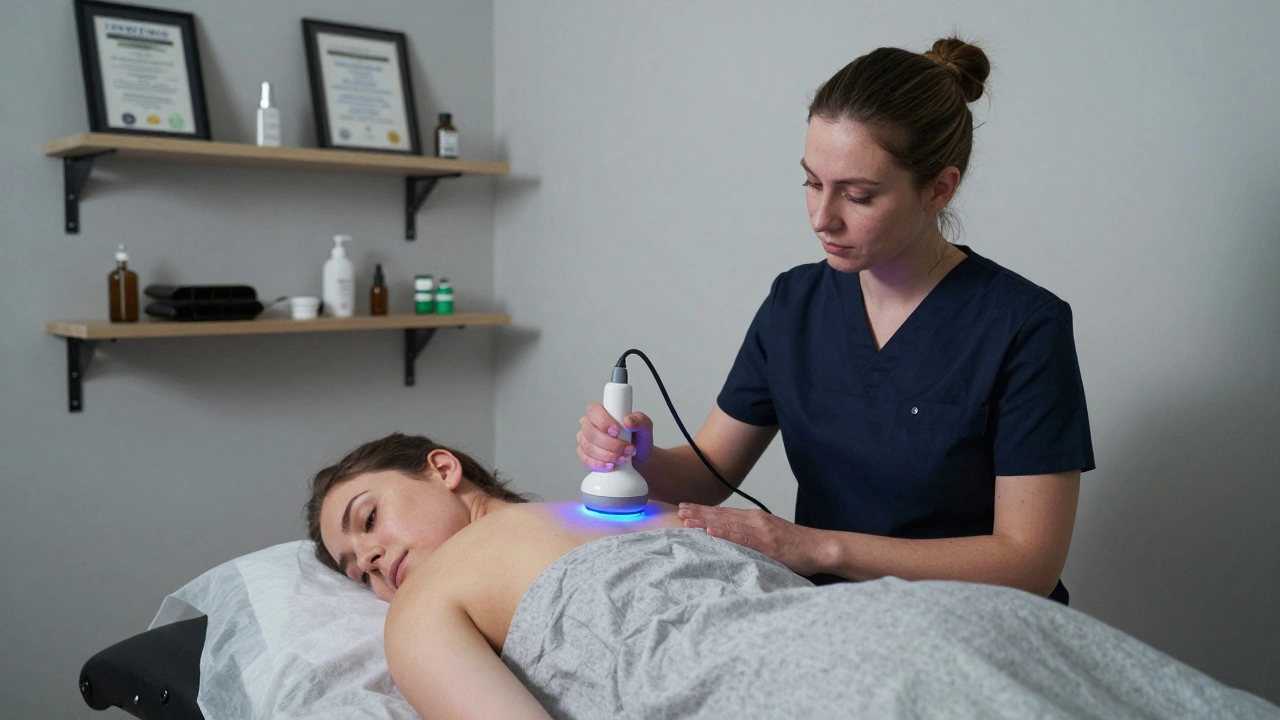
Because here, it’s not just a service - it’s an industry. We’ve got therapists who’ve trained in Thailand, Sweden, and Boston. We’ve got clinics that combine massage with cryotherapy, infrared heat, and even low-frequency vibration tech. One place in Chelsea uses a neuro-muscular stimulator - a device that tells your muscles when to relax. It’s like a remote control for your tension.
Compare that to a random town in the Midlands. You get a guy with a table, some oil, and a playlist of Enya. In London? You get a full-body reset.
And the timing? Unbeatable. Most places open at 7am. You can squeeze in a 60-minute session before work. No need to take half the day off. I’ve had sessions at 6:30am before a flight to New York. Walked out feeling like I’d slept for a week.
What kind of high do you actually get?
You don’t get high like you do with weed or a shot of tequila. You get neurochemical euphoria.
Here’s what happens inside your body:
- Cortisol drops - your stress hormone plummets by up to 30% after one session (study from University of Miami).
- Endorphins spike - natural painkillers flood your system. You feel light. Warm. Like you’re floating.
- Serotonin and dopamine rise - mood stabilizers. Sleep improves. Anxiety fades.
- Muscle tension dissolves - adhesions, knots, trigger points? Gone. Not masked. Erased.
The first time I felt it? I was in a tiny clinic off Camden High Street. The therapist worked on my lats - the muscles that hold your shoulders back. I didn’t even know I was holding them so tight. Then - boom. A wave of heat. My eyes watered. I didn’t cry. I laughed. Like a kid who just got a lollipop after a tantrum.
That’s the high. Not a rush. A release. A reset.
Who should avoid this?
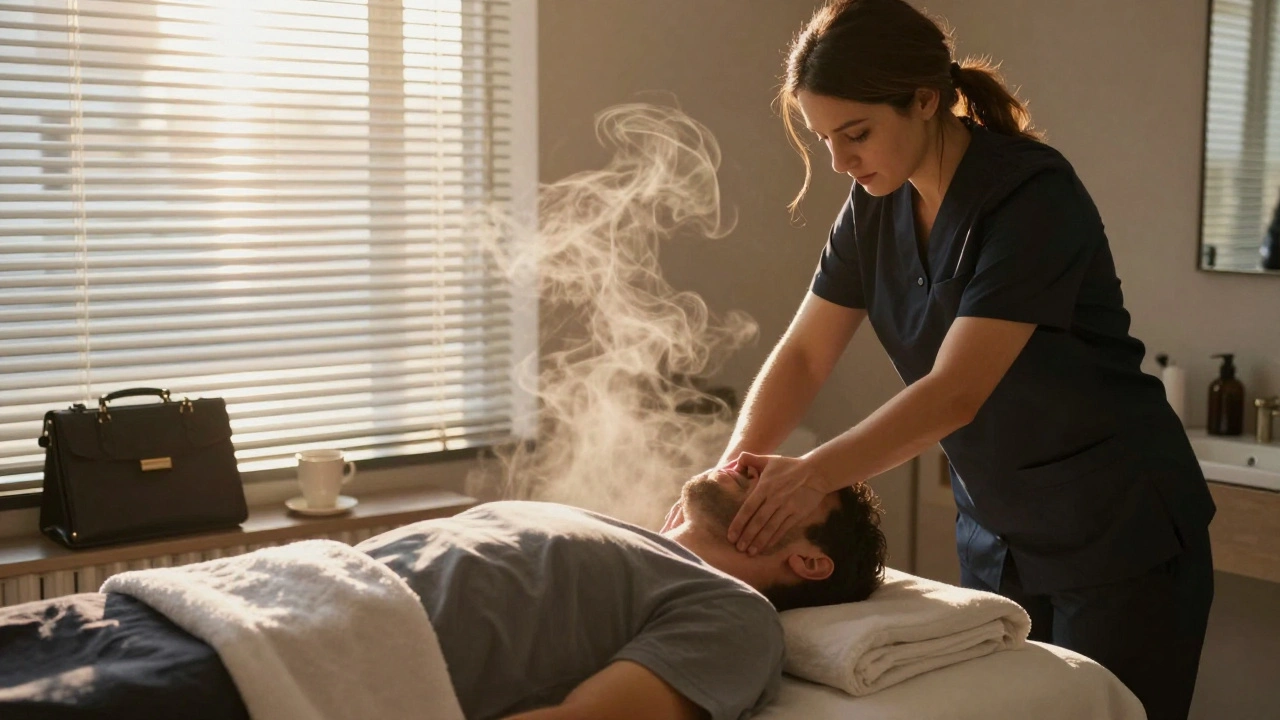
If you’ve got an open wound, active infection, or are in the first trimester of pregnancy - skip it. But if you’re a guy who sits all day, stares at screens, and feels like your spine is made of rust? You need this.
And if you think you’re ‘too masculine’ for massage? That’s the oldest lie in the book. The strongest men I know - ex-soldiers, pro rugby players, construction bosses - they’re the ones who book monthly. Because they know: strength isn’t about ignoring pain. It’s about fixing it.
Final move: How to make it stick
One session? Nice. But temporary. To keep your body from turning back into a brick wall, you need rhythm.
Best plan:
- Week 1: 90-minute deep tissue (get the knots out)
- Week 2: 60-minute relaxation (let your nervous system chill)
- Week 3: 90-minute sports massage (if you move a lot - gym, running, etc.)
- Week 4: Repeat
After 3 months? You’ll notice your posture’s better. Your sleep’s deeper. You don’t need caffeine to get through the day. And you’ll stop flinching when someone taps your shoulder.
London doesn’t give you time. But it gives you tools. This is one of them. Use it.